
Get Back on Your Feet with Non-Surgical Knee Pain Relief
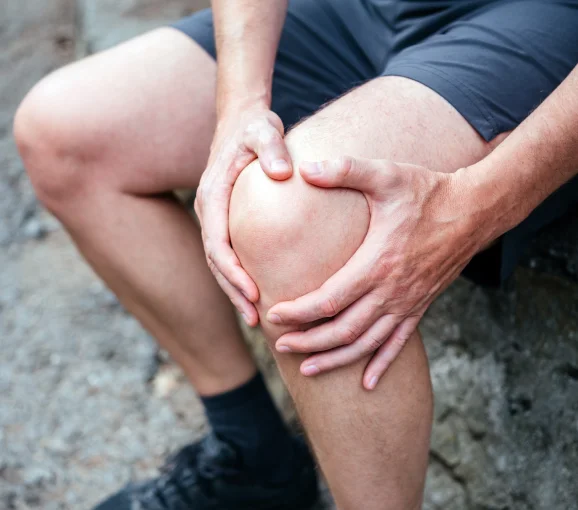
Your knees carry you through almost everything you do. Climbing stairs, kneeling in the garden, chasing your kids, or getting through a long shift on your feet all depend on them. When your knees hurt, even simple movements start to feel like a risk. Knee pain treatment in Albany helps reduce pain and swelling while improving mobility, strength, flexibility, and range of motion, so you can move with confidence again.
At Better Pain Solutions, we treat patients recovering from a recent knee injury as well as those managing an ongoing condition like arthritis. Using drug-free therapies and targeted rehab, we address the source of your pain and teach you how to manage symptoms at home between visits. Whether your goal is getting back to the pickleball court or just walking without wincing, we build a plan around it.
Book a Knee Pain EvaluationCommon Causes of Knee Pain We Treat
Knee pain can come from an injury, a health condition, simple overuse, or moving the wrong way at the wrong moment. Our Albany patients most often come to us for help with the following.
- Knee osteoarthritis and degenerative joint disease
- Ligament sprains and partial ACL or MCL tears
- Meniscus irritation and minor tears
- Runner’s knee (patellofemoral pain syndrome)
- Patellar tendinitis, also known as jumper’s knee
- IT band syndrome and pain on the outside of the knee
- Knee bursitis and inflammation
- Overuse injuries from running, hiking, or repetitive work
- Stiffness and weakness after knee surgery
Advanced Therapies That Help Knees Heal
We combine several non-surgical treatments to calm pain and support healing in the knee joint. Class IV laser therapy reaches deep into the joint to reduce inflammation and ease arthritis pain. Shockwave therapy is a strong option for stubborn tendon problems like jumper’s knee. Gentle adjustments to the knee, hip, and ankle improve joint motion and alignment. Soft tissue work and a custom strengthening program then rebuild support around the joint to help prevent future injuries.
Our Approach to Knee Pain Treatment
A correct diagnosis is the first step to the right treatment and to avoiding added stress on the knee. Here is how we guide you from your first visit to stronger, healthier knees.
Why the Knee Is So Easily Injured
The knee is one of the most complex joints in the body. It connects the thigh bone, shin bone, and kneecap, and it relies on cartilage, the meniscus, four major ligaments, and several tendons to stay stable. Every one of those parts has to work together each time you bend, twist, or bear weight, so the knee is highly vulnerable to injury.
Sudden knee injuries are especially common in sports that involve quick changes of direction, such as soccer, volleyball, football, and tennis. Pivoting or twisting can partly or completely tear ligaments like the ACL or MCL. Those tears are often accompanied by damage to the meniscus or cartilage. Over time, aging, repeated stress, and everyday wear and tear can also break down the joint and lead to chronic pain.
Daily Habits for Healthier, Stronger Knees
The choices you make every day have a big impact on how your knees feel and how long they stay healthy. To protect your knees and keep them strong, we recommend the following habits.
- Maintain a healthy weight to reduce the load on your knee joints
- Strengthen your quads, hamstrings, and glutes to support the knee
- Stretch regularly to keep the muscles around the knee flexible
- Warm up before sports, runs, and workouts
- Wear supportive shoes that fit your activity
- Bend at the hips and knees and keep loads close when lifting
- Mix in low-impact exercise like cycling, swimming, or walking
- Get knee pain checked early instead of waiting for it to get worse
Take the Next Step toward Pain-Free Knees
You do not have to give up the activities you love or accept knee pain as part of getting older. Better Pain Solutions offers non-surgical, drug-free knee pain treatment that targets the cause of your pain and helps you move freely again. Book your knee pain evaluation at our Albany clinic today.
Schedule a VisitFrequently Asked Questions
About Knee Pain Treatment
Yes. Chiropractors treat knee pain by improving joint alignment and motion in the knee, hip, and ankle and by easing muscle tension. Therapies like Class IV laser and shockwave can reduce inflammation, and a guided strengthening program helps keep pain from coming back.
Knee pain usually points to an injury or a health condition. Common injuries include ligament sprains or tears, meniscus or cartilage damage, and fractures. Health conditions such as arthritis, tendinitis, gout, and infections can also cause knee pain, as can overuse and improper movement.
The best approach usually combines several treatments. Class IV laser therapy can reduce joint inflammation and pain, gentle adjustments improve movement, and strengthening exercises take pressure off the joint. Weight management and low-impact activity also play a big role in long-term relief.
Yes. Weak or tight hips, poor foot mechanics, and pinched nerves in the lower back can all cause or worsen knee pain. Treating these areas along with the knee often leads to better results.
We treat minor ligament sprains, partial tears, and meniscus irritation that do not need surgery. We also help patients regain range of motion and strength after knee surgery. If an exam suggests a complete tear, we refer you to an orthopedic specialist.
Seek immediate care if you cannot put weight on your leg, your knee looks deformed, it locks or gives way, or it becomes very swollen, red, or hot. A fever along with knee pain also needs prompt medical attention.
Many patients notice less pain and better movement within the first few weeks. Recent injuries and mild overuse problems often improve faster. Arthritis and long-standing tendon problems may need a longer course of care.
Keep your weight in a healthy range, stretch regularly, and strengthen the muscles around your knees and hips. Use good form when lifting or playing sports, and wear supportive shoes. Getting knee pain checked early helps prevent more serious problems.