
Relief for Numbness, Tingling, and Burning Nerve Pain
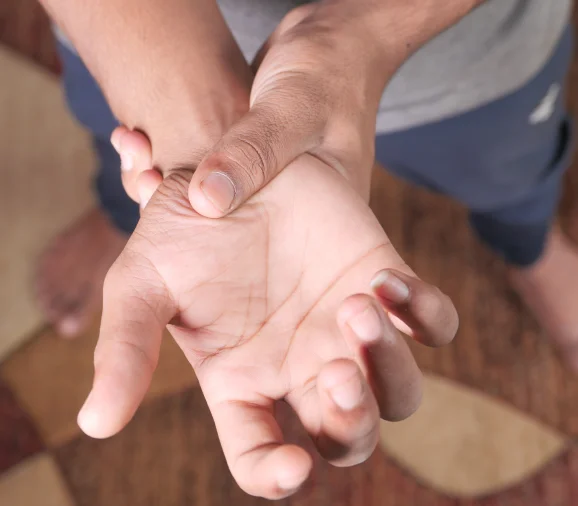
It often starts small. A little tingling in your toes at night, a strange numbness in your fingertips or feet that makes you feel like they are wrapped in socks when they are not. Over time, those sensations can turn into burning pain, poor balance, and trouble sleeping. Neuropathy treatment in Albany is focused on calming those symptoms, supporting nerve health, and helping you stay active and independent.
Neuropathy affects how nerve signals travel between your body, brain, and spinal cord. When nerves are damaged, they can send the wrong signals or stop sending signals at all. That leads to numbness, weakness, and increased sensitivity. At Better Pain Solutions, we assess your symptoms, look for factors that may be adding to the problem, and build a drug-free treatment plan with simple lifestyle changes to help you feel better.
Book a Neuropathy ConsultationUnderstanding Peripheral Neuropathy
Peripheral neuropathy is damage to or dysfunction of one or more nerves outside the brain and spinal cord. The brain and spinal cord make up the central nervous system. The peripheral nervous system carries signals between them and the rest of the body. When nerve cells in the peripheral system are damaged or destroyed, that communication breaks down.
Neuropathy usually shows up in the hands and feet first and can spread farther into the arms and legs over time. It may affect many nerves at once, which is called polyneuropathy, or just one nerve or nerve group, which is called mononeuropathy. Carpal tunnel syndrome is a common example of mononeuropathy, usually caused by compression or prolonged pressure on a single nerve.
Neuropathy Symptoms to Watch For
Your peripheral nerves fall into three groups. Sensory nerves control feeling, motor nerves control movement, and autonomic nerves control automatic body functions. Symptoms depend on which nerves are affected and what is causing the damage. Common signs of peripheral neuropathy include the following.
- Gradual numbness, prickling, or tingling in the hands or feet that can spread into the arms and legs
- Sharp, jabbing, throbbing or burning pain
- Extreme sensitivity to touch, including pain from bedsheets or blankets
- Pain when standing or walking
- A feeling of wearing gloves or socks when you are not
- Increased sensitivity to hot and cold
- Muscle weakness and loss of coordination
- Trouble with balance and frequent falls
- Difficulty sleeping because of foot and leg pain
When autonomic nerves are involved, symptoms may also include dizziness, drops in blood pressure, heat intolerance, sweating problems, and bowel, bladder, or digestive changes. These symptoms should be checked by a medical doctor promptly.
Common Causes of Nerve Damage
Neuropathy can be inherited or develop because of another condition. In some cases, no clear cause is ever found. Diabetes is the most common cause of chronic peripheral neuropathy in the United States, but many other factors can damage nerves, including the following.
- Diabetes and high blood sugar
- Chronic kidney disease
- Infections such as shingles, Lyme disease, and HIV
- Autoimmune disorders like rheumatoid arthritis and lupus
- Injuries, fractures, and pressure on nerves from tight casts
- Some cancers, including lymphoma and multiple myeloma
- Chemotherapy and certain other medications
- Vitamin deficiencies, especially B vitamins
- Excessive alcohol use
- Exposure to toxins
Your Neuropathy Care Plan
Because neuropathy has so many possible causes, a careful evaluation comes first. Here is how we guide your care.
How We Help Calm Neuropathy Symptoms
Our goal is to reduce pain, improve sensation, and help you move more safely. Class IV laser therapy delivers light energy deep into tissue to boost circulation, reduce inflammation, and support nerve health in the hands and feet. We also check your spine for problems like pinched nerves, herniated discs, and spinal stenosis, which can cause or worsen numbness and tingling in the arms and legs. Treating those problems with chiropractic adjustments or spinal decompression can make a real difference.
Balance and strengthening exercises help lower your risk of falls. Nutrition and lifestyle guidance supports nerve health over the long term. When an underlying condition like diabetes is involved, we encourage you to keep working closely with your primary care provider. Our care is designed to support that medical treatment, not replace it.
Don’t Let Neuropathy Take Your Balance or Your Independence
Numbness, tingling, and burning pain do not have to keep you off your feet or up at night. Better Pain Solutions offers drug-free neuropathy care that targets your symptoms and helps you move with more confidence. Schedule your neuropathy consultation at our Albany clinic today.
Book a Neuropathy ConsultationFrequently Asked Questions
About Neuropathy Treatment
Peripheral neuropathy is damage to the nerves outside the brain and spinal cord. It usually starts in the hands and feet and causes numbness, tingling, burning pain, weakness, and balance problems.
Yes, a chiropractor can help manage neuropathy symptoms. Treatments like Class IV laser therapy, spinal care for nerve compression, and balance training can reduce pain, improve sensation, and lower the risk of falls. Care works best alongside medical treatment for any underlying condition.
It depends on the cause. When nerve damage comes from something treatable, such as a vitamin deficiency or nerve compression, symptoms may improve or even resolve. In other cases, treatment focuses on easing symptoms and preventing further damage.
Diabetes is the most common cause of chronic peripheral neuropathy in the United States. High blood sugar damages nerves over time, especially in the feet and legs.
Neuropathy often feels like tingling, pins and needles, numbness, or burning, usually in the feet or hands. Some people describe sharp or electric pain, extreme sensitivity to touch, or a feeling of wearing socks or gloves when they are not.
Yes. A herniated disc, spinal stenosis, or a pinched nerve in the lower back can cause numbness, tingling, and weakness in the legs and feet that feel a lot like neuropathy. Finding and treating the spinal cause can bring significant relief.
Get medical care right away if numbness or weakness comes on suddenly or spreads quickly, if you have trouble walking or breathing, or if you lose bladder or bowel control. A foot wound that will not heal also needs immediate attention.
Treatment length depends on the cause and severity of your neuropathy. Many patients notice changes in pain or sensation over several weeks of consistent care. Long-standing nerve damage may need ongoing management to keep symptoms under control.